
Imagine capturing amazing aerial shots without needing to learn hard flight skills. We’ve looked at many beginner drones to find ones that are easy to use and fun right away. The best drones for beginners have simple controls, stable flight, and clear video.
The DJI Mini 4K is our top choice for beginners. It’s small, light, and has pro features. You don’t need FAA registration to fly it. Its 4K camera takes amazing shots, making it perfect for new flyers.
When picking beginner drones, cost matters a lot. The DJI Neo is a great deal at $199, and the DJI Flip is more advanced at $439. The Neo is great for automated selfies, while the Flip is better for dynamic shots. New pilots can quickly get the hang of these entry-level drones.
Key Takeaways
- DJI Mini 4K delivers professional 4K video in a sub-250g package that doesn’t require FAA registration
- Budget-friendly options like DJI Neo start at $199 and include automated flight paths for easy selfies
- All recommended beginner drone models feature intuitive controls designed for first-time pilots
- Three-axis gimbal stabilization ensures smooth footage even in windy conditions
- Voice commands and obstacle sensors make flying safer and more accessible
- Entry-level drones now include features like 48MP photo capture previously found only in professional models
Understanding What Makes a Great Beginner Drone
Starting your drone journey doesn’t have to be overwhelming. We’ve found that the best beginner drones have key features. These features make learning fun, not frustrating. Whether you’re looking for easy to fly drones for yourself or simple drones for kids, some features stand out.

Weight Requirements and FAA Registration
Drone weight is a crucial factor. Models under 250 grams often avoid registration fees. Anything heavier needs a $5 FAA registration fee. All pilots must pass the TRUST test, which takes about 20 minutes online.
Kids can fly affordable drones too, but they must be at least 13 to register with the FAA.
Essential Features for First-Time Pilots
The best easy to fly drones have features that boost confidence:
- GPS stabilization keeps your drone steady in wind
- Return-to-home brings it back automatically
- Smartphone connectivity for intuitive controls
- Gimbal stabilization for smooth, professional-looking videos
Budget Considerations for Entry-Level Models
Quality beginner drones cost between $200 and $1,000. You can find great simple drones for kids starting at $100. More advanced affordable drones with cameras cost $300-$500.
Your budget affects the features you get. But even entry-level models now offer impressive capabilities. These were once only found in professional drones.
DJI Mini 4K: Our Top Overall Pick for New Pilots
We’ve tested many drones, and the DJI Mini 4K is our top pick for beginners. It’s lightweight and has features that make flying fun, not stressful. It’s also priced well, making it a great choice between budget and professional drones.
Key Specifications and Performance
The DJI Mini 4K is designed for new pilots. It weighs just 246 grams, so you can fly it right away. Despite its small size, it has impressive features that match bigger drones.
| Specification | DJI Mini 4K |
|---|---|
| Weight | 246 grams |
| Flight Range | 10 kilometers |
| Battery Capacity | 2,250mAh |
| Wind Resistance | Level 4 |
| Camera Resolution | 12 megapixels |
Camera Quality and Video Capabilities
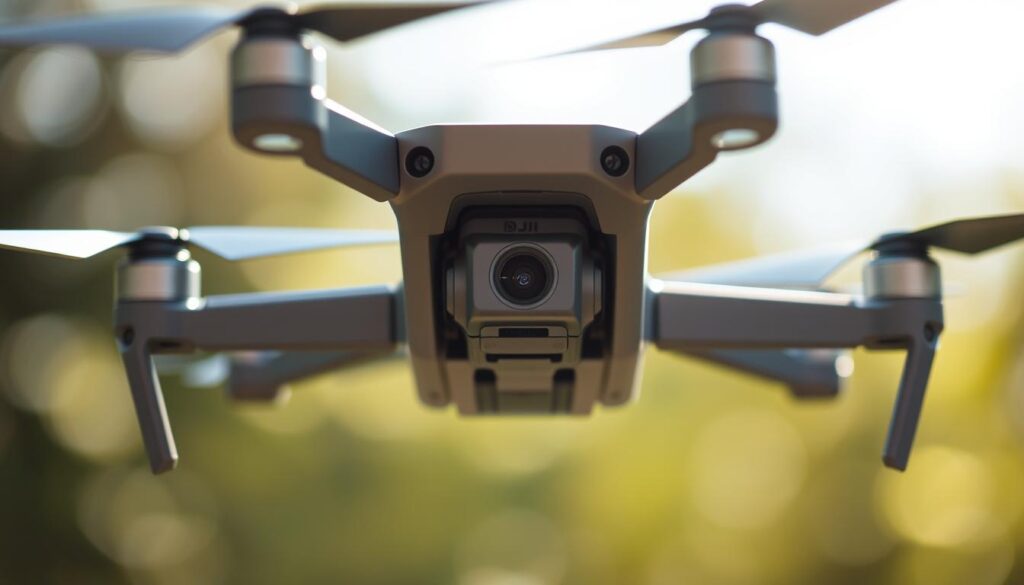
The Mini 4K has great camera quality for its price. It shoots 4K video and 12-megapixel photos. The Pro mode is a bonus, allowing RAW and JPEG formats for better editing.
Flight Controls and User Experience
The Mini 4K is perfect for beginners because it’s easy to fly. The controller is simple to use, and automated modes help you get great footage. It’s not as expensive as some drones, but it still handles wind well. It’s easy to control, making it great for learning aerial photography.
Budget-Friendly Options Under $200
Starting your drone journey doesn’t have to be expensive. We’ve found great affordable drones with amazing features at lower prices. These drones show that flying can be fun for everyone, whether you buy them alone or in drone starter kits.
Ryze Tello: Best Value for Learning
The Ryze Tello is our top pick for beginners. Made with DJI, this small drone has big features. It’s just $99, making it a great entry-level drone for new pilots.
The Tello is known for its easy controls and smartphone app. Its 5MP camera takes good photos and 720p video. It flies for 13 minutes on a 1100mAh battery.
However, it has a short range of about 30 meters. It also doesn’t do well in windy weather.
DJI Neo: Palm-Sized Selfie Drone
The DJI Neo is a new affordable drone at $199. It’s small but has big features. Its 4K camera with gimbal takes amazing videos, and it has 22GB of storage for 40 minutes of video.
| Feature | Ryze Tello | DJI Neo |
|---|---|---|
| Price | $99 | $199 |
| Weight | 80g | 135g |
| Camera | 5MP, 720p video | 4K with gimbal |
| Flight Time | 13 minutes | 18 minutes |
| Storage | None (streams to phone) | 22GB internal |
The Neo makes taking aerial selfies easy with its automated modes. It also charges via USB-C. Both drones are great for beginners, with the Tello for learning and the Neo for making videos.
Premium Choices for Serious Beginners
When we’re ready to invest in better equipment, premium beginner drones offer advanced features. These drones have professional-grade capabilities but are still easy to use. They won’t overwhelm new pilots.
The DJI Mini 4 Pro is a top choice for beginners who want to grow. It weighs exactly 249 grams, avoiding FAA registration rules. It comes with a 12MP or 48MP camera for amazing photos, even in low light.
This drone has omnidirectional vision sensing, a 360-degree system to detect obstacles. It shoots 4K video at 60fps and 100fps slow-motion. It also has features like D-Log M color profile and 10-bit HDR recording, usually found in more expensive drones.
| Feature | Standard Version | Plus Version |
|---|---|---|
| Price | $759 | $959 |
| Remote Type | Smartphone | Built-in Touch Screen |
| Battery Capacity | 2,590mAh | 3,890mAh |
| Flight Time | 34 minutes | 47 minutes |
| Transmission Range | 20km | 20km |
Premium beginner drones like the Mini 4 Pro help us learn faster. They offer longer flight times and professional camera features. This means we can practice more and get better results from the start.
Best Drones for Beginners Without DJI
DJI may lead the drone market, but there are great alternatives that offer top-notch performance at lower prices. These drones are perfect for beginners who want to try out different brands or find better deals.
Potensic Atom 2: Feature-Rich Alternative
The Potensic Atom 2 is a standout entry-level drone. It weighs just 249 grams, so you don’t need to register it with the FAA. Yet, it has features usually found in more expensive drones.
This drone has a 32-minute flight time and can fly up to 10 kilometers. It has a 3-axis gimbal for smooth 4K video at 30fps. Plus, it takes clear 48-megapixel photos. For $329-359, it’s a great deal for beginners.
The drone’s smart flight modes make it easy for kids and adults to use. It has subject tracking and Quickshots for cool automated moves with just one tap.
Why Consider Non-DJI Options
Choosing non-DJI drones has many advantages:
- They often cost less but have similar features
- They have less crowded app ecosystems
- They bring new innovations from smaller companies
- They support new drone companies
The Potensic Atom 2 also supports Remote ID for future rules. It has an interval timer for amazing timelapses. Soon, it will have a flat log color profile for professional color grading.
Specialized Drones for Different Flying Styles
Not all beginners want the same flying experience. Some pilots crave the adrenaline rush of first-person view flying. Others prefer hands-free aerial photography. We’ve tested specialized models that cater to these distinct preferences, finding options that work well as basic camera drones for specific purposes.
BetaFPV Cetus X: First-Person View Experience
The BetaFPV Cetus X introduces newcomers to FPV flying without breaking the bank. It weighs just 55 grams and comes in complete drone starter kits. These kits include everything needed: the drone, transmitter, and FPV goggles.
With a 600-meter range and multiple flight modes, beginners can progress from stable hovering to acrobatic maneuvers.
The 450mAh battery provides about 5 minutes of flight time. While short, it’s enough for learning the basics. The drone’s built-in durability handles crashes well, though the frame may crack after severe impacts.
Video feed occasionally suffers interference. But the complete package remains one of the best budget drones for novices wanting to explore FPV flying.
HoverAir X1 Pro: Automated Aerial Selfies
For pilots who want stunning aerial shots without complex controls, the HoverAir X1 Pro delivers. This 191.5-gram drone requires no controller at all. Simply unfold it, press a button, and watch it capture 4K video at 60fps or 12-megapixel photos automatically.
| Feature | BetaFPV Cetus X | HoverAir X1 Pro |
|---|---|---|
| Weight | 55g | 191.5g |
| Battery Life | 5 minutes | 16 minutes |
| Video Quality | Analog FPV | 4K/60fps |
| Controller Required | Yes | No |
| Price Range | Under $150 | $400-500 |
The X1 Pro’s 1,920mAh battery powers impressive subject tracking capabilities. Its quick startup means capturing spontaneous moments takes seconds. While 50% heavier than the standard X1, this model handles wind better and produces sharper footage.
It’s ideal for travelers wanting professional-looking content without piloting skills.
Essential Accessories and Starter Kits
Buying our first drone is just the start. The right accessories can make flying much better. Many drones come alone, but starter kits offer everything for a great first flight.
The BetaFPV Cetus X Kit is perfect for beginners. It includes the drone, a transmitter, and basic FPV goggles. This kit lets us fly in first-person right away, offering great value for affordable drones.
DJI offers different accessories. You can pick smartphone-required remotes for less or premium RC remotes with screens. The DJI Mini 3 shows this choice well:
| Package Type | Remote Controller | Price | Best For |
|---|---|---|---|
| Basic Bundle | Smartphone Required | $419 | Budget-conscious pilots |
| Premium Bundle | Built-in Screen RC | $549 | Enhanced control experience |
Don’t forget about storage! Most drones need memory cards for video. The DJI Neo has 22GB of storage, ideal for casual flyers. For longer flights, extra batteries are a must. But, adding too many accessories might make drones too heavy for the FAA rules.
Safety Features That Matter Most
Choosing easy to fly drones for beginners is all about safety. Modern drones have smart tech that keeps them safe and fun to fly. Let’s look at the key safety features that make flying worry-free.
Obstacle Avoidance Systems
The latest user-friendly drones have sensors to avoid obstacles. The DJI Mini 4 Pro has all-around obstacle avoidance. The Mini 3 Pro has protection in three directions. But, the DJI Mini 4K is cheaper and doesn’t have this feature.
The DJI Flip has sensors for forward and downward protection. This helps prevent crashes during takeoff and landing.
Return-to-Home Functions
GPS return-to-home systems are key for beginner drones. They bring your drone back when the battery is low or if you lose signal. The DJI Neo is extra safe with propeller guards. It’s great for simple drones for kids and those who like to palm-launch.
Wind Resistance Ratings
Wind resistance is important for flying safely. Entry-level drones vary in how well they handle wind:
| Drone Model | Wind Resistance | Flight Stability |
|---|---|---|
| DJI Mini 4K | Level 4 | Handles breezy conditions well |
| HoverAir X1 Pro | Improved | Sturdier than original X1 |
| Ryze Tello | Minimal | Drifts in slightest breeze |
Getting Started with Your First Flight
Your first drone flight is a big deal. Before we fly, we need to know a few things. The Trust test is a must for flying outside in the U.S. It’s free and takes about 30 minutes to complete.
It covers the basic safety rules. Every pilot, no matter their age or the drone they have, must pass it.
If your drone weighs 250 grams or more, you need to register it. The DJI Mini 4K is a great choice because it’s just under this weight. For heavier drones like the DJI Mini 4 Pro, we register online for a small fee.
This process is quick, and we get a registration number to put on our drone.
Today’s beginner drones are easy to use. We can control them with smartphone apps or special remotes. The DJI Flip even listens to voice commands, so we can say “take a selfie” or “follow me.”
Drone models like the HoverAir X1 Pro can take off from our palm. This means we don’t need a flat surface to start flying. These features help us get great footage from the start.
Weather is important for flying. We start on calm days with little wind. Most beginner drones handle light breezes but can struggle with strong winds.
Early morning or late afternoon is usually the best time to fly. We’ll choose a place with no trees, buildings, or power lines. Parks or empty fields are great for learning the basics.